Chime Review: How This Fintech Account Works for Everyday U.S. Banking
Advertisement
Chime is a popular U.S. fintech banking app. Learn how its accounts work, who it suits, its limits and what to check before opening one for daily money.

Chime has become one of the best-known names in American digital banking. It is a financial technology company, not a bank itself, and its accounts are offered through partner banks. For households that want a simple app-based way to receive pay, spend and set money aside, it can be an appealing option. This guide explains how Chime works, who may benefit, where the limits are and which questions to ask before you open an account.
What Chime Is and How It Is Structured
Chime is a fintech company that provides banking services through partner banks rather than holding a bank charter of its own. In practice, the deposit accounts and debit cards you see in the app are issued by those partner institutions. This matters for two reasons. First, the legal protections that apply to your deposits depend on the partner bank, so you should read the account disclosures and confirm how deposit insurance applies to your funds. Second, the features, rules and fees can change if the partner arrangement changes, so the official Chime website is the right place to verify current terms.
The typical Chime setup centers on a checking account that you manage entirely from a smartphone, plus an optional savings account. There are no traditional branches, which keeps the model lean but means that most support happens through the app, chat or phone.
Why the Fintech Model Appeals to Many Households
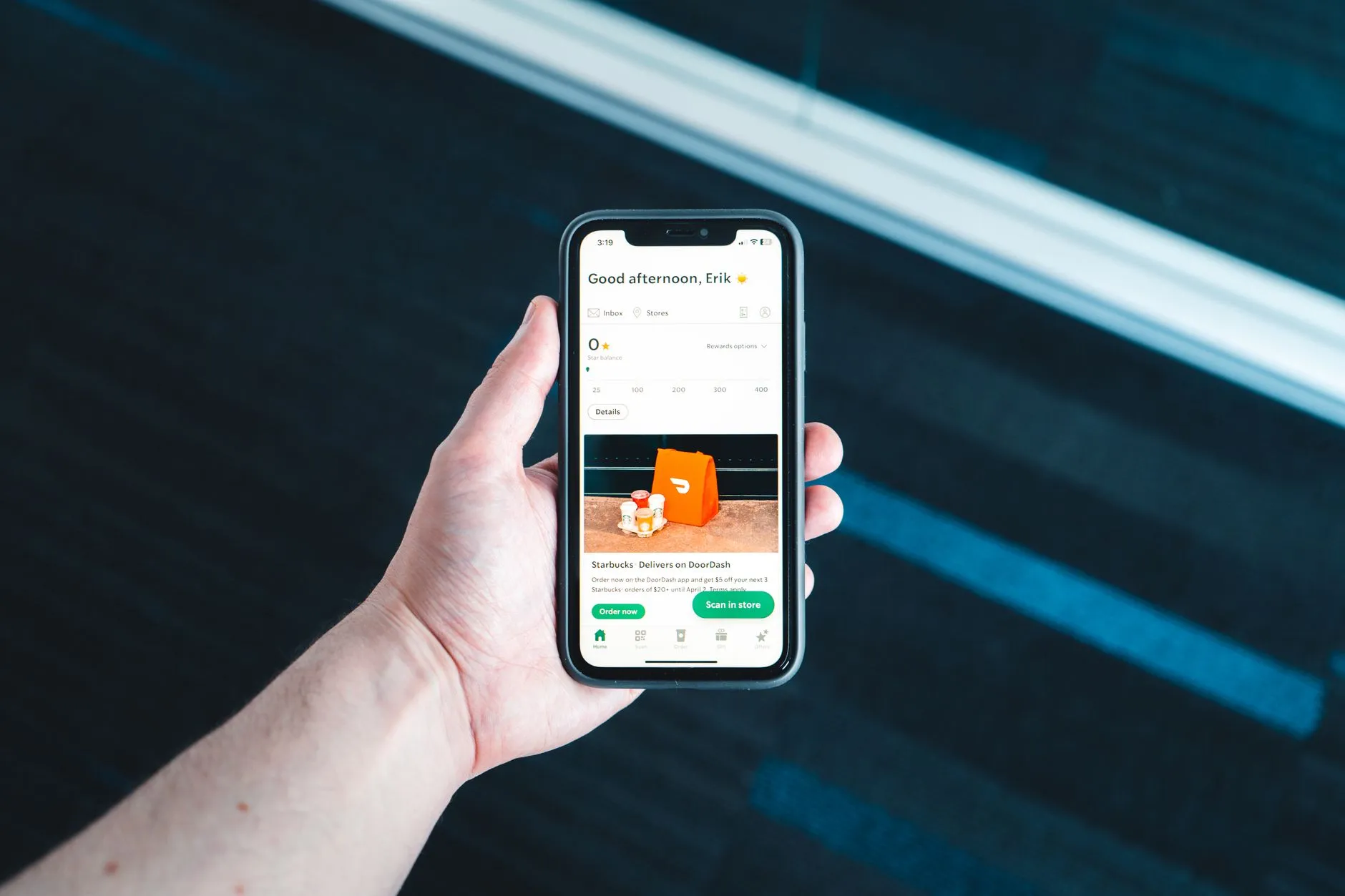
Online-first providers tend to emphasize low friction. You can usually open an account in minutes, view your balance in real time and receive alerts whenever money moves. For people who find traditional banks slow or complicated, that experience can feel refreshing. At the same time, it is worth remembering that convenience is not the same as suitability, and a low-cost app is only helpful if it fits how you actually use money.
Key Features to Understand
Before comparing Chime with other providers, it helps to know the main building blocks of the account.
Checking Account and Debit Card
The core product is a checking account with a Visa debit card. Money you spend comes directly out of your balance, so there is no borrowing involved. That makes it a natural fit for people who want to avoid carrying credit card balances and prefer a clear view of what they have available. Cash access, deposit methods and ATM networks vary, so confirm how you would add or withdraw cash in your area before relying on the account.
Early Access to Direct Deposit
Chime has promoted a feature that can make certain direct deposits available sooner than some traditional banks. Whether and when funds arrive early depends on how your employer or payer submits the payment, so it is not something to count on in every case. If timing matters for your bills, check the current conditions on the provider's site and compare them with your own pay schedule.
Savings Tools and Automatic Transfers
The app includes tools designed to help you set money aside automatically, such as rounding up purchases or moving a portion of each deposit into savings. These habits can be powerful because they remove the need for willpower. If you are building a cushion, our guide to building wealth through consistent saving and investing explains the same principle of paying yourself first, even though it was written for a different market.
Who Chime May Suit
Chime tends to attract people who value simplicity and a mobile-first experience. It may be worth considering if you:
- Prefer managing everything from a phone and rarely visit a branch.
- Want a straightforward debit-based account without the temptation of credit.
- Are rebuilding your banking history and want a lower-complexity starting point.
- Like automated savings features that work in the background.
Who Might Want a Different Option
If you regularly deposit physical cash, need in-person service, require a full range of lending products or want to keep everything under one roof with a traditional bank, an app-only provider may feel limiting. Households with more complex needs, such as mortgages, business accounts or wealth management, often combine a fintech account with a larger institution rather than relying on one provider for everything.
Pros and Cons to Weigh
Potential Advantages
- A clean, easy-to-use mobile experience.
- Automated savings features that support good habits.
- Real-time notifications that make it easier to track spending.
- A debit-first approach that discourages overspending on credit.
Potential Drawbacks
- No physical branches, so help is mostly digital.
- Cash deposits and withdrawals may be less convenient than at a traditional bank.
- The product is delivered through partner banks, so you must read how your funds are held and protected.
- Features and conditions can change, so you need to recheck terms periodically.
Every financial product carries conditions and risks, and no provider can guarantee that a particular feature will be available to you or that you will qualify for it. Approval for any account or add-on is always the provider's decision.

How to Compare Chime With Other Providers
The most reliable way to choose an account is to compare a short list of providers on the same criteria. Online banks such as Ally Bank and SoFi, as well as large institutions like Chase and Bank of America, offer digital accounts with different strengths. When you compare, look at these points:
- Fee structure: Ask whether there are monthly charges, overdraft costs, ATM fees or charges for out-of-network use. Always confirm the current values on the official provider page.
- Deposit protection: Understand which bank holds your funds and how federal deposit insurance applies.
- Cash handling: Check how you can deposit and withdraw cash.
- Savings features: Compare how each provider helps you set money aside.
- Support: Consider whether you want chat only, phone access or in-person help.
Reading how other markets approach everyday accounts can also sharpen your thinking about what to look for. For example, our explainer on how to choose and manage an everyday current account walks through the same selection logic of fees, access and service, which translates well to evaluating any checking product.
Making an Account Part of a Bigger Plan
An account is only a tool. What matters is how it fits into your wider money habits. A fintech checking account works best when it supports a simple routine: income arrives, bills are paid, a portion moves to savings and the remainder covers spending. If you are working toward goals beyond everyday cash flow, such as investing for retirement through an IRA or a 401(k), you will likely need accounts from other providers designed for those purposes.
Pairing Savings and Spending Thoughtfully
Many people find it helpful to separate money by purpose. You might keep one account for daily spending and another for savings you do not want to touch. Our article on how to open and use an investment account shows how separating spending from longer-term money can reduce temptation and keep goals on track, a principle that applies regardless of country.
Protecting Yourself Online
Because an app-based account lives on your phone, basic security habits are essential. Use a strong, unique password, enable multi-factor authentication where offered, turn on transaction alerts and avoid sharing verification codes with anyone. Be cautious of messages that claim to be from your provider and urge you to act quickly, since impersonation scams are common in digital banking.
Questions to Ask Before You Open an Account
- Which partner bank holds my deposits, and how does deposit insurance apply?
- What costs could apply to my usual habits, such as ATM use or overdrafts?
- How will I deposit cash if I need to?
- What happens to my account if I stop using the app?
- How do I reach a person if something goes wrong?
Writing down your answers before you commit makes the decision easier and helps you avoid surprises later.
The Bottom Line
Chime offers a streamlined, mobile-first way to handle everyday banking in the United States, with a debit-based checking account and savings tools that can support steady habits. It will not suit everyone, particularly people who rely on cash, branches or a full suite of lending products. The smartest approach is to compare a few providers on fees, access, protection and support, read the official disclosures carefully and confirm every current term directly with the provider. Choose the account that matches how you really live and spend, and revisit your choice as your needs change.
This article is for general information only and is not financial advice. Product features, conditions and eligibility are set by the providers and can change, so always check the official source before making a decision.

Lauren Hartwell
Brooklyn-based money management columnist covering budgeting, saving, and everyday financial habits.