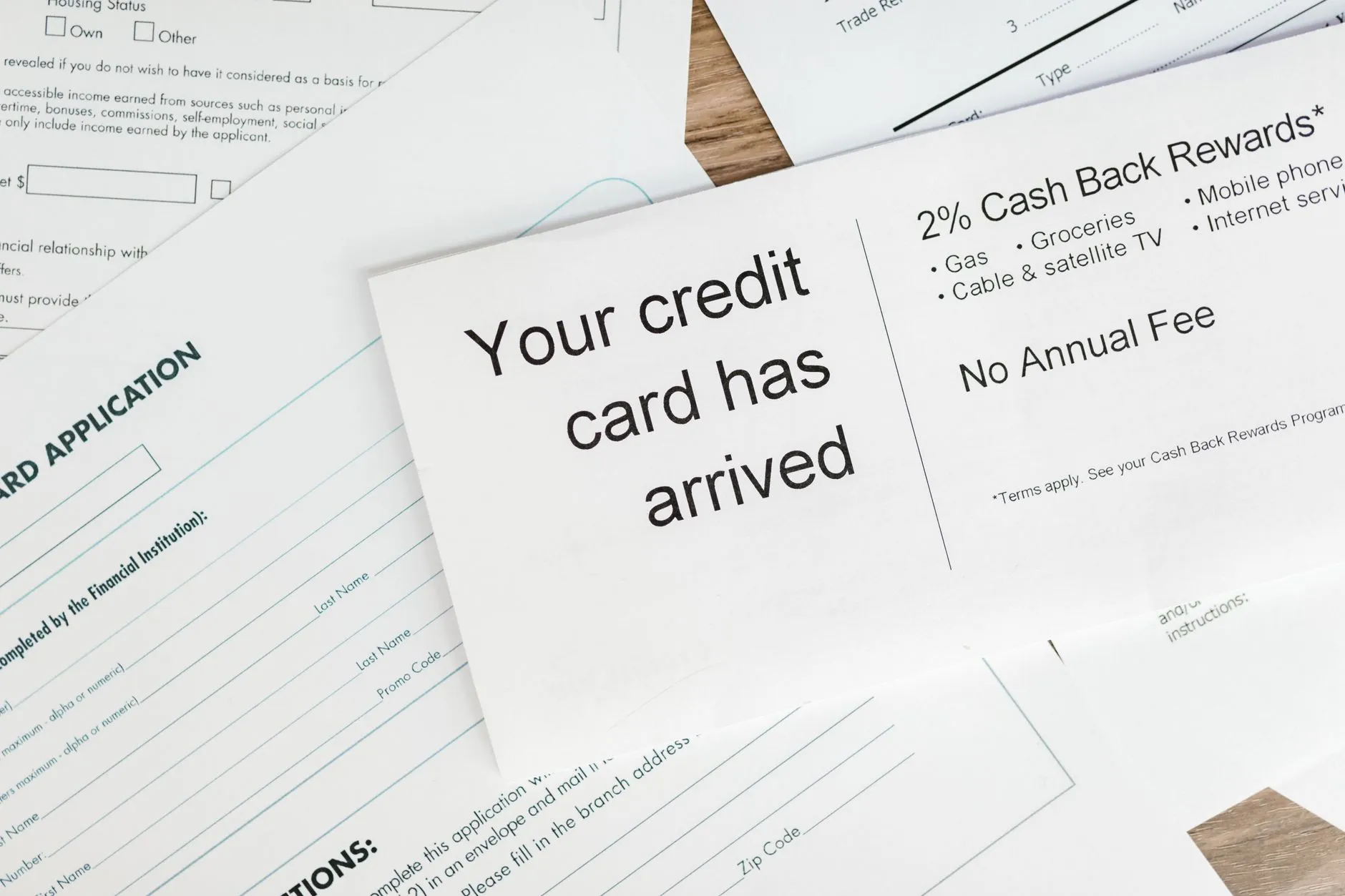
Discover Credit Card Cashback Calendar: How Rotating 5% Categories Work for U.S. Cardholders
Advertisement
Learn how rotating quarterly cashback categories work on U.S. cards like Discover and Chase Freedom Flex, including activation, caps and who benefits most.

Few credit card features generate as much excitement and confusion as rotating cashback categories. Cards from issuers such as Discover and Chase promote elevated rewards on a changing list of purchase types, but the details around activation, spending caps and category timing can trip up even experienced cardholders. This guide explains how rotating categories work in the United States, who tends to benefit from them, and what to check before you commit to a card built around this structure.
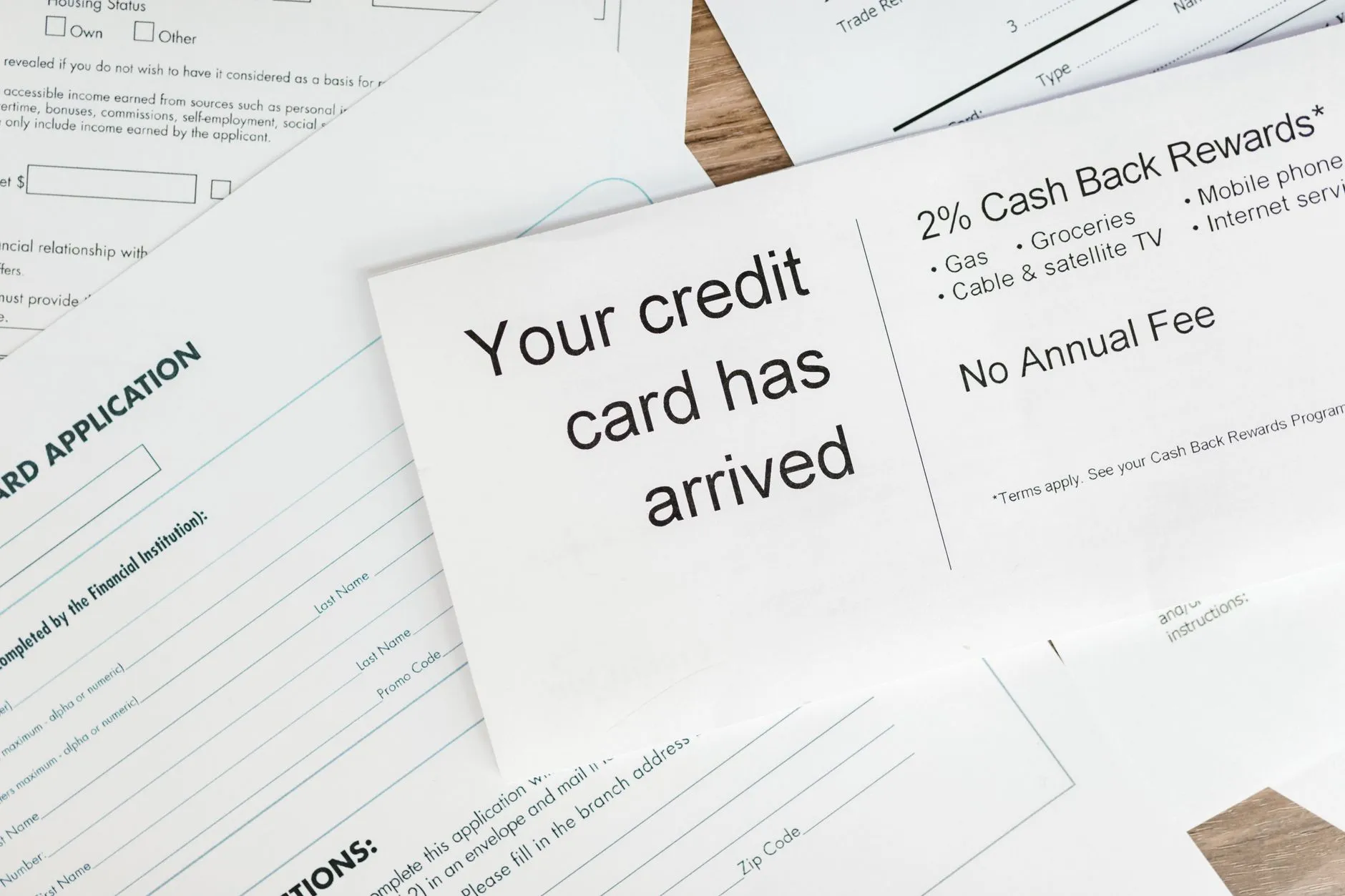
What Are Rotating Cashback Categories?
A rotating category card offers a higher cashback rate on a specific group of merchants or purchase types that changes on a schedule, usually every three months. During one quarter the elevated rate might apply to grocery stores, in another to gas stations or restaurants, and in another to online retailers or wholesale clubs. Purchases outside the featured categories typically earn a lower base rate.
The idea behind the model is that the issuer wants to encourage spending in areas that merchants value, while cardholders get a reward boost on purchases they may already be making. The trade-off is that you need to pay attention. A card that rewards you handsomely in one quarter may offer little advantage in the next if the featured category does not match your spending.
How the Major U.S. Rotating Programs Operate
Two of the best-known rotating programs in the U.S. come from Discover and Chase. The Discover it Cash Back Credit Card features a quarterly calendar of categories, and the Chase Freedom Flex Credit Card combines a rotating quarterly category with several fixed bonus categories. Both programs share a few common mechanics worth understanding.
Activation Requirements
In most rotating programs you must opt in to the current quarter's categories before the elevated rate applies. Issuers usually provide an activation button in the online account, the mobile app or through an email prompt. If you forget to activate, your purchases may earn only the base rate even when they fall in the featured category. Making activation a calendar reminder at the start of each quarter is a simple habit that protects your rewards.
Quarterly Spending Caps
Rotating bonus rates generally apply only up to a spending limit each quarter. After you reach that limit, additional purchases in the category revert to the base rate. The cap amount is set by the issuer and can change, so check the current terms with the official provider rather than relying on figures you saw in an older article or advertisement.
Category Definitions and Merchant Coding
Whether a purchase counts toward a category depends on how the merchant is classified by the payment network, not on what you bought. A superstore that sells groceries may or may not be coded as a grocery store. Wholesale clubs, warehouse retailers, and online marketplaces are common sources of confusion. Review the issuer's published category details and exclusions before assuming a purchase will qualify.

Who Tends to Benefit From Rotating Categories?
Rotating category cards can suit a specific type of cardholder. They tend to work best for people who:
- Enjoy tracking rewards and are comfortable managing a calendar of activations
- Have flexible spending that can shift toward the featured category when it makes sense
- Already hold another card that covers their everyday spending, so the rotating card acts as a complement
- Pay their balance in full each month, so rewards are not offset by interest charges
They may be less appealing for people who prefer a set-and-forget approach. If you want predictable returns without managing activations, a flat-rate card such as the Citi Double Cash Card or the Wells Fargo Active Cash Card offers a simpler structure, though the specific rewards details are best confirmed with each issuer.
Rotating Categories Versus Fixed Categories
It helps to compare the rotating model with cards that use fixed bonus categories. A card with permanent categories, such as groceries or dining, rewards the same kind of spending every month. That predictability makes planning easy. Cards like the Bank of America Customized Cash Rewards Credit Card let you choose a category, which sits somewhere between fixed and rotating.
With rotating categories, the potential upside can be higher in a given quarter, but the benefit is less consistent. Some quarters will line up with your spending and others will not. Many cardholders who use rotating cards also keep a fixed or flat-rate card in their wallet so that off-category spending does not earn the minimum.

Practical Tips to Get More From a Rotating Card
Plan Ahead for the Quarter
Issuers usually announce upcoming categories in advance. Look at the calendar before the quarter begins and consider whether any planned purchases, such as stocking up on household items or booking something that fits the category, can be timed sensibly. Avoid spending more than you normally would just to chase a reward, because extra spending can easily cost more than the cashback is worth.
Understand How Rewards Are Redeemed
Redemption options vary by issuer. Some programs let you apply rewards as a statement credit, deposit them to a bank account, or use them for gift cards or purchases with partner merchants. Redemption rules and any minimums can change, so confirm the current options with the issuer.
Watch Out for Interest and Fees
Cashback rewards are quickly erased by interest if you carry a balance. Read the card agreement to understand the interest rate structure, any balance transfer terms, and potential fees. Our guide on how credit card interest is calculated explains why paying in full matters when you are chasing rewards.
Keep Your Wallet Strategy Simple
It is tempting to open several cards to cover every category. Each additional card means another set of terms, due dates and activation steps to remember. Consider whether the extra complexity is worth it, and review our article on how many credit cards you should have before expanding your wallet.
Risks and Considerations
Every credit card carries conditions and risks. Approval is always the decision of the issuer, and it depends on factors such as your credit history, income and existing obligations. Applying for new credit can result in a hard inquiry on your credit report, which may affect your credit profile.
Rotating category cards add a layer of operational risk, since missing an activation or misunderstanding a category can reduce the rewards you expected. They also tempt some cardholders into overspending. A disciplined approach, where you treat the card as a payment tool rather than a source of free money, keeps the benefits in perspective.
Questions to Ask Before You Apply
- Do the typical categories match where I already spend money?
- Am I willing to activate categories each quarter and track the calendar?
- What are the current spending caps, base rates and annual fee terms?
- Will I pay my balance in full every month?
- Do I already have a flat-rate or fixed-category card that covers the rest of my spending?
For the current rewards structure, cap amounts, interest terms and eligibility requirements, always consult the issuer's official website or card agreement. Terms change, and the issuer's published information is the only reliable source.
The Bottom Line
Rotating cashback categories reward engaged cardholders who are willing to plan around a quarterly calendar. They are not the right fit for everyone, but for people who enjoy optimizing and who spend responsibly, they can be a useful complement to a simpler everyday card. Compare the structure against your own habits, read the official terms carefully, and choose the card that fits how you actually live rather than how you hope to spend.

Ethan Kowalski
Personal finance writer based in Chicago, focused on credit cards, rewards programs, and consumer banking.